White spots & crusty fixtures
Hard water minerals. A water softener is usually the fix.

White spots on every glass? Chlorine taste, rotten-egg smell, or grit in the faucet screens? Earl's Plumbing tests first, explains what's really in your water, and installs the system that fixes your problem, not the most expensive one on the truck.
Call or text (530) 343-0330 — a real person answers calls day or night.

Most water problems announce themselves. Here's what the usual clues point to, and what usually fixes them.
Hard water minerals. A water softener is usually the fix.
Common on city water. Carbon filtration takes it out at one tap or the whole house.
Often sulfur, sometimes the water heater. We test before recommending anything.
Usually iron or manganese, most common on well water. Needs the right filter media.
Sediment filtration protects faucets, valves, and appliances. Big on wells.
Often a tired fridge filter. We handle ice maker filters too.
Classic hard water. Soft water rinses cleaner and needs less soap.
Choose a system certified for that contaminant. Usually reverse osmosis at the kitchen tap.
Cal Water's 2024 water quality report for Chico lists average hardness at 122 parts per million, which Cal Water classifies as moderately hard (75–150 ppm). That's the white film on your shower glass and the crust on your faucet aerators.
It also builds up where you can't see it: inside water heaters, toilet tanks, valves, and appliances. Scale makes parts wear out sooner and makes water heaters work harder.
Source: Cal Water, Chico 2024 Water Quality Report. Other cities and private wells vary, which is why we test.

Where your water comes from decides where we start.
Sources: EPA Consumer Confidence Reports · CDC well water testing guidelines
One local team for the whole job: testing, installation, plumbing changes, and ongoing filter service.
Treats water where it enters the house, so every faucet, shower, and appliance benefits.
Stops hard water scale and spotting. Softener installation and service.
Under-sink drinking water with its own faucet. RO systems installed and serviced.
Catches sand, grit, and rust before they reach fixtures and valves.
A common well-water option for bacteria, usually paired with pre-filtration.
Sediment, iron, sulfur, and UV, matched to your test results and your well system.
Ice maker lines and filters for clean-tasting ice.
Cartridges, RO membranes, UV lamps, and softener service on a schedule we keep for you.
Clean installs with shutoffs and bypasses, laid out so filters are easy to change.
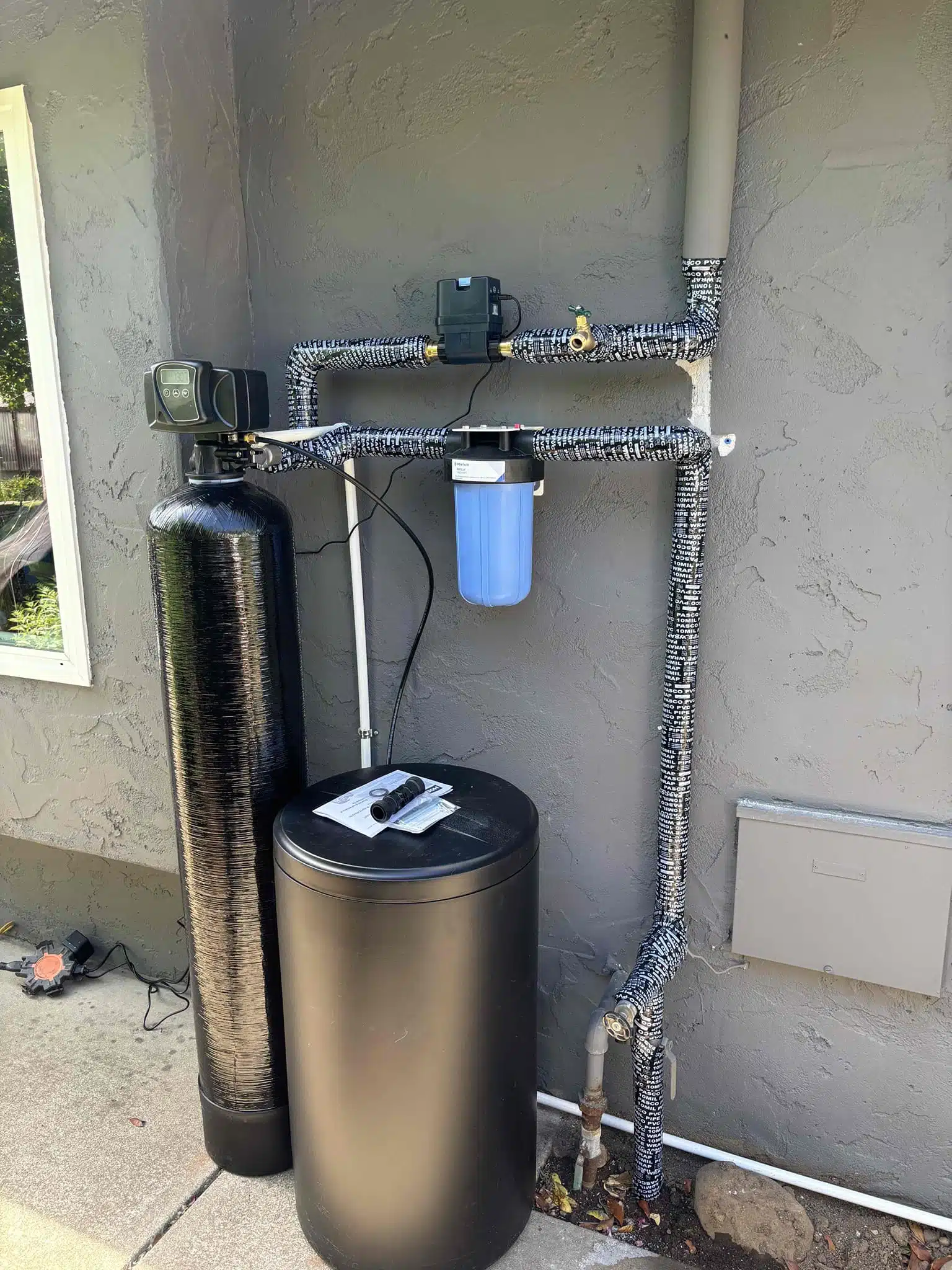
Softener tied in at the main with a bypass for easy service.
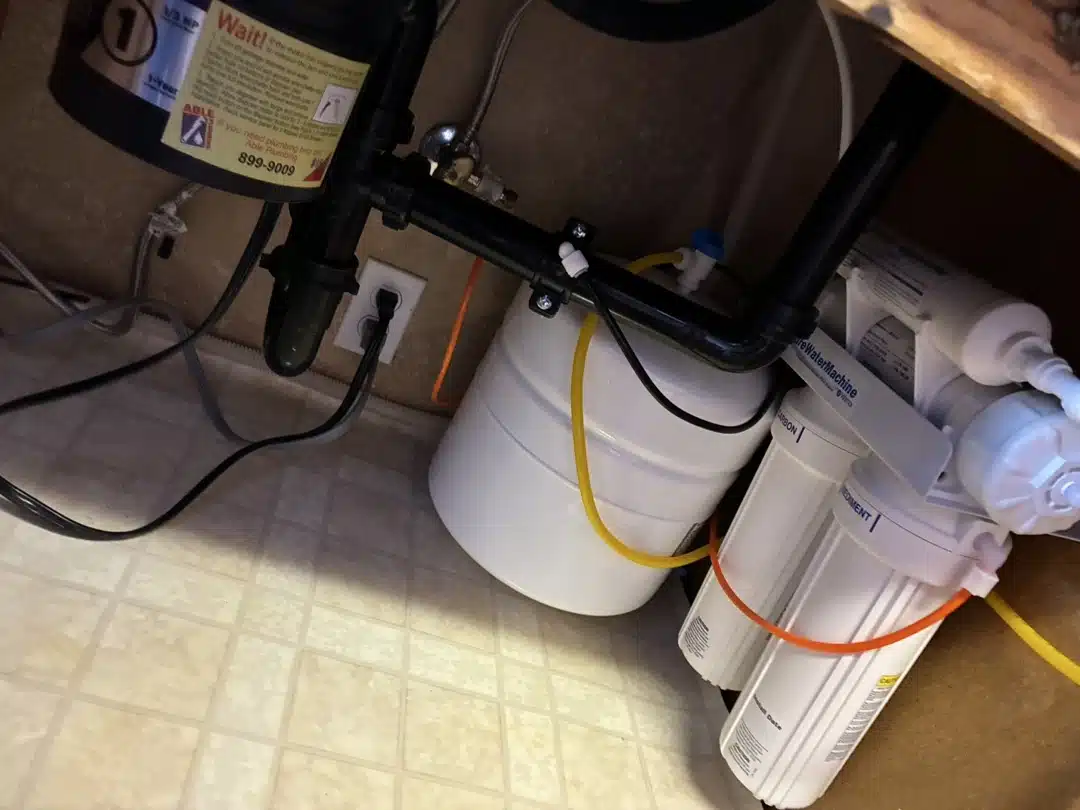
Three-stage RO for drinking and cooking water at the kitchen tap.
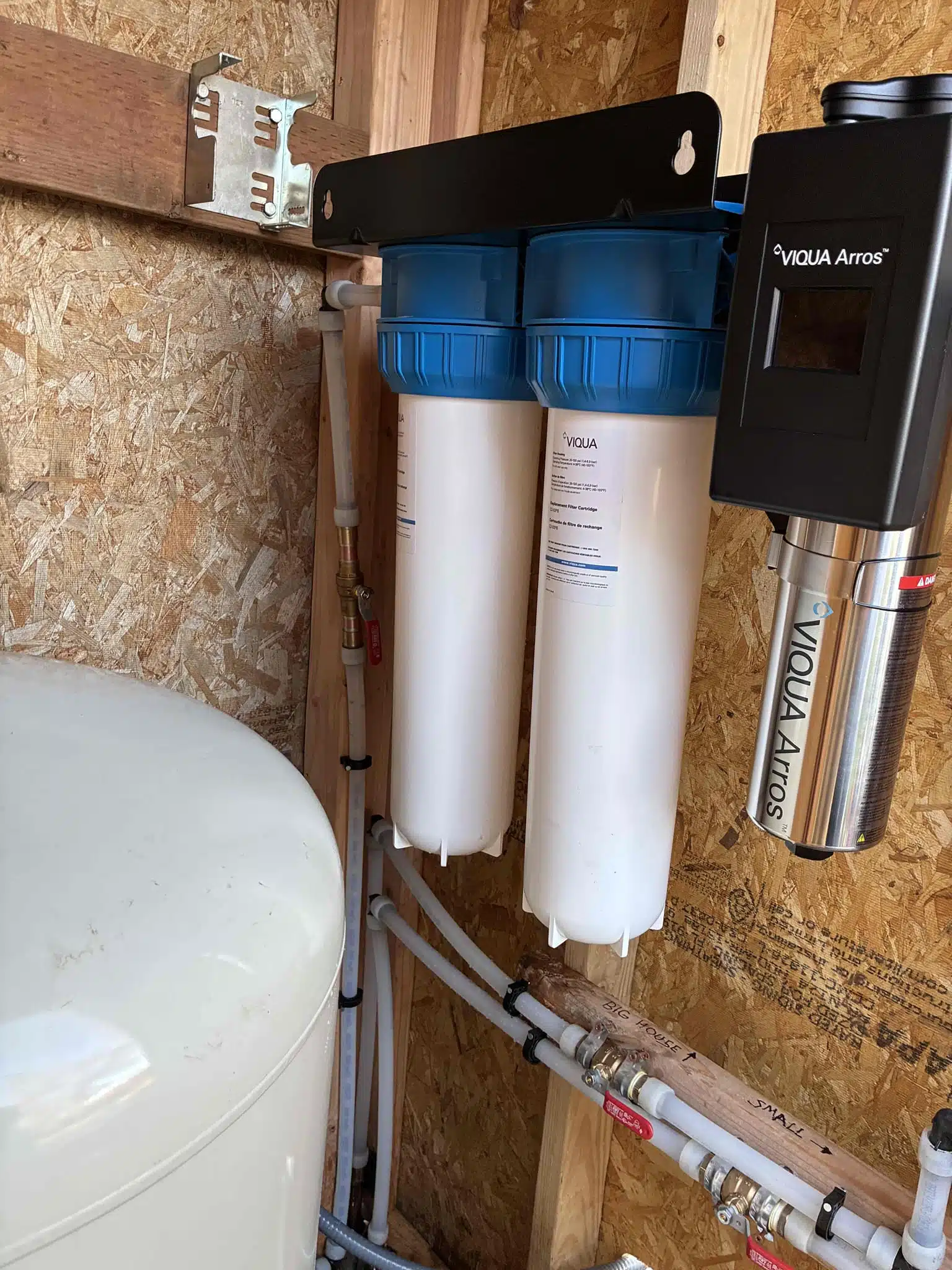
Sediment pre-filters protect the UV unit so it can do its job.
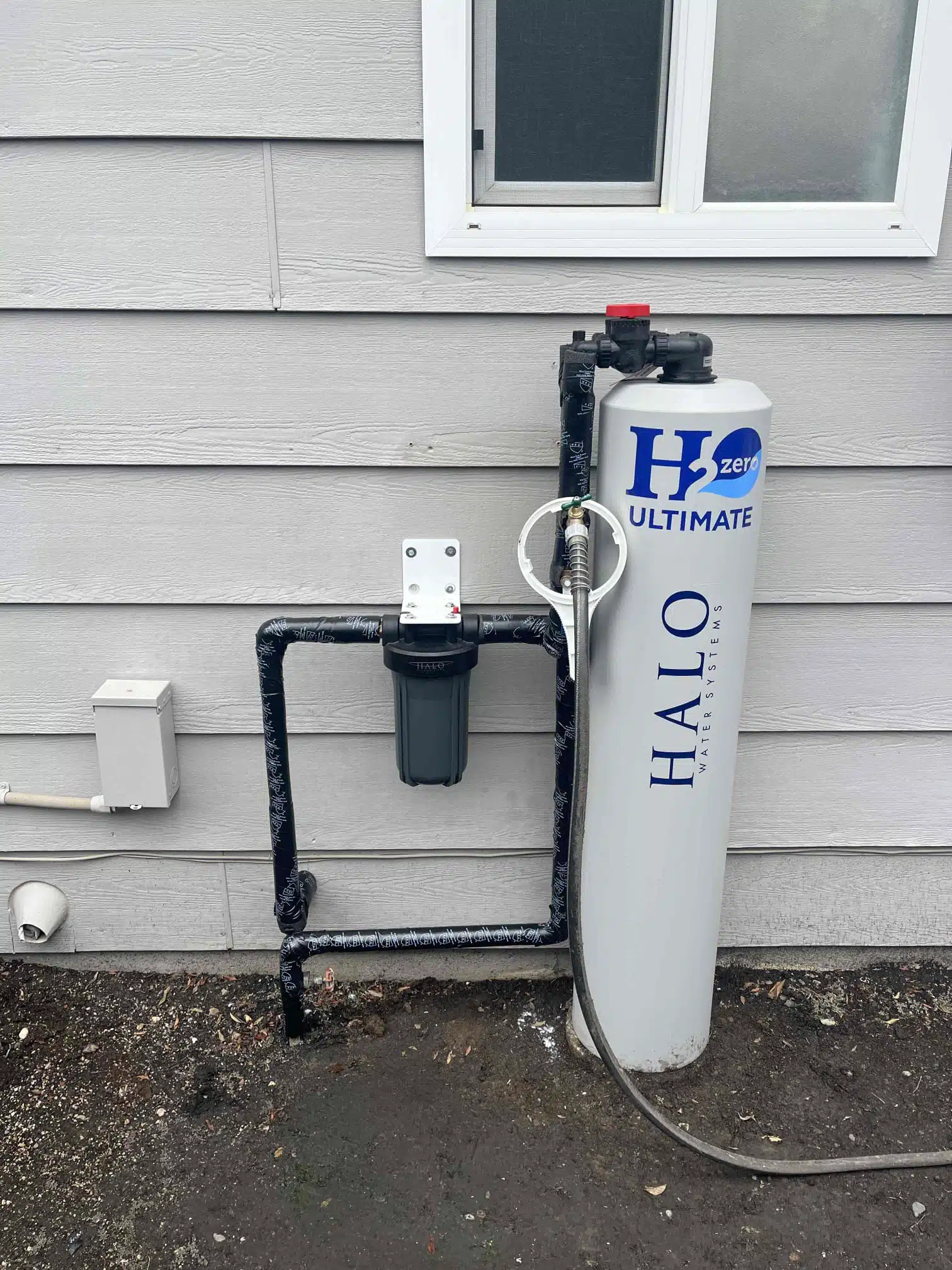
Every tap in the house treated, from the kitchen to the showers.
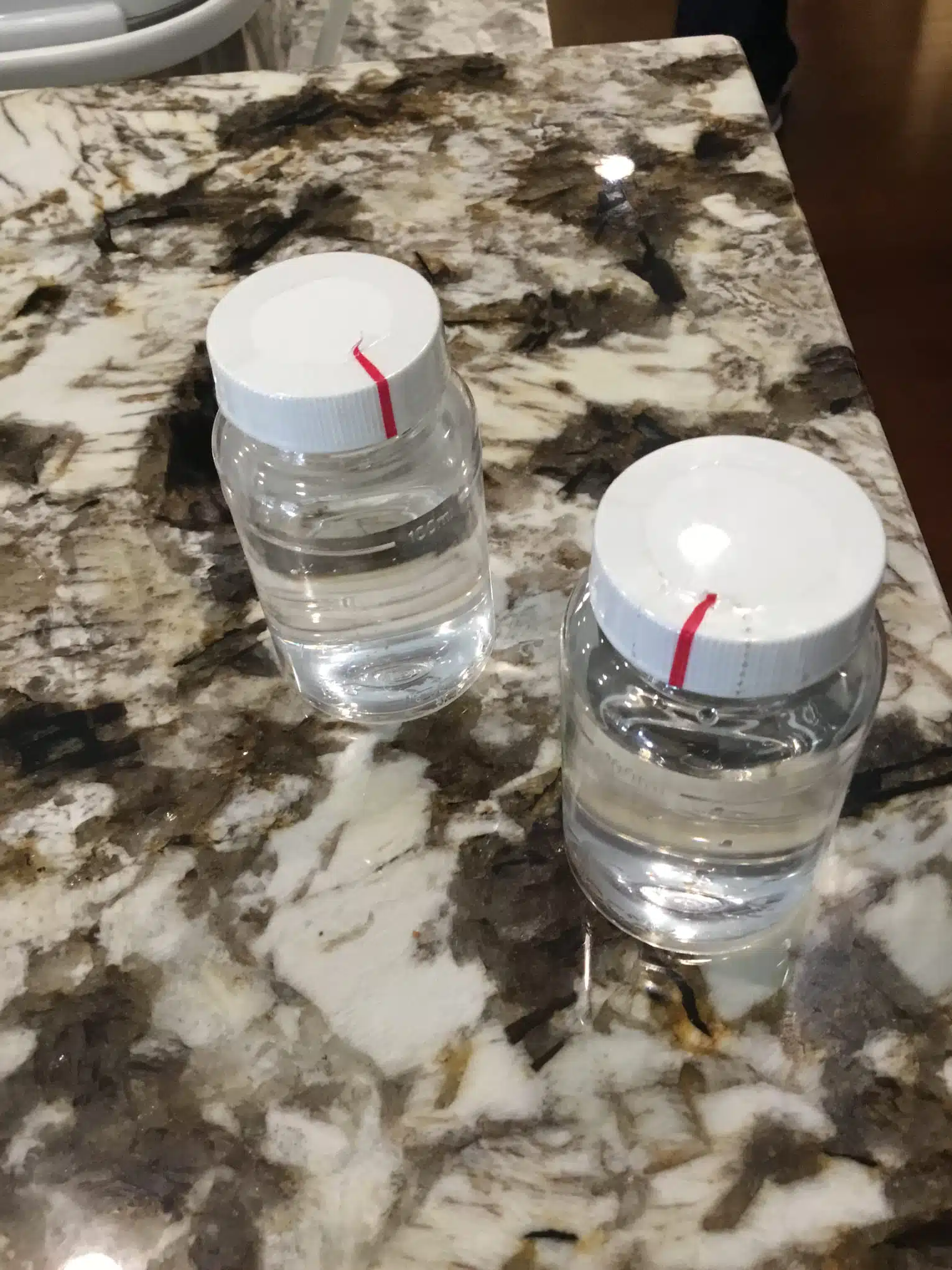
Buying a filter before you know what's in your water is how people end up with a system that solves the wrong problem. Here's how we do it instead:
Every system has parts that wear out: sediment cartridges clog, carbon gets used up, RO membranes slow down, UV lamps lose strength, and softeners need salt and service. An overdue filter can do less than no filter at all.
So we don't install it and disappear. Earl's keeps track of your system's service schedule and reminds you when it's due. No sticky notes on the water heater required.
Shopping for a specific contaminant? Look for NSF/ANSI certification for that contaminant. For PFAS, see the EPA's guide to certified filters.

Plumbers first, not a water-treatment sales team.
We recommend based on what's actually in your water, not a sales script.
If a simple filter fixes it, that's what we'll recommend.
Proper connections, shutoffs, and bypasses, done to code. CSLB #772565.
Upfront options before any work. You decide, no pressure.
We track filter changes and service so your system keeps working.
Three Northern California offices, and we're here when it needs service.
There's a lot of fear-based selling in water treatment. Someone drops a tablet in a glass, the water turns a scary color, and suddenly you "need" the biggest system they make. That's not how we do it.
We find out what's actually in your water, tell you what's worth fixing and what isn't, and install a system that fits your home and your budget. Then we stick around and remind you when filters are due, because a forgotten filter isn't doing anybody any good.
— Clinton EarlOwner, Earl's Plumbing · Your Friend in the Business
Three local offices covering eight Northern California counties. Every line takes calls and texts.
Redding · Anderson · Cottonwood · Shasta Lake · Palo Cedro · Red Bluff · Corning
Book in about a minute, right here on the page. Tell us if you're on city or well water and what you're noticing.
Rather talk to a person? Call or text (530) 343-0330 — we answer 24/7.
Water heater, filter housing, or line leaking? Don't book online — shut off the water and call (530) 343-0330.
Softener or filter? Whole house or RO? Test first? Straight answers here.
The right water filtration system depends on your water source, what you are noticing, test results, and your plumbing layout. White spots point to hardness, chlorine taste points to carbon filtration, grit points to sediment filters, and well water often needs testing first. Earl's Plumbing starts with a free water quality assessment before recommending anything.
Testing first keeps you from buying the wrong system. City water customers can start with their water provider's annual Consumer Confidence Report. Private well owners should test at least once a year for total coliform bacteria, nitrates, total dissolved solids, and pH, as the CDC recommends, plus anything your local health department flags.
A water softener removes hardness minerals like calcium and magnesium, which cause white spots, scale, and soap problems. A water filter reduces particles, chlorine taste and odor, or specific contaminants, depending on the filter and its certification. They solve different problems, which is why many homes end up with both.
A whole-house filter treats water as it enters the home, so every faucet, shower, appliance, and water heater benefits. Reverse osmosis is usually installed under the kitchen sink with its own faucet and is best for drinking and cooking water. Many families use a whole-house system for the home and RO for the water they drink.
Chico city water is moderately hard. Cal Water's 2024 water quality report for Chico lists average hardness at 122 parts per million, and Cal Water classifies 75 to 150 ppm as moderately hard. That is enough to cause white spots on dishes and glass, scale on fixtures, and sediment in water heaters, which a water softener can reduce.
Some certified water filters can reduce certain PFAS in drinking water, but not every filter does. If PFAS is your concern, choose a system certified for PFAS, PFOA, or PFOS reduction, usually a reverse osmosis or certified carbon system at the drinking water tap, and replace filters on the manufacturer's schedule so it keeps working.
Water filter replacement timing depends on the system, your water, and how much you use. Sediment filters clog faster on wells, and carbon filters, RO membranes, UV lamps, and softeners each have their own schedule. Earl's Plumbing keeps track of your system's service schedule and reminds you when filters are due.
Water filtration cost depends on your water problem, whether you are on city or well water, the type of system, and your plumbing layout. Earl's Plumbing starts with a free water quality assessment and gives you upfront options before anything is installed. There is no service call fee, and financing is available on approved credit.