Spots on dishes
Cloudy glasses and white film, even after the dishwasher.

White spots on every glass? Crusty faucets, cloudy shower doors, and soap that never seems to rinse? That's hard water. Earl's Plumbing tests it for free, sizes the right softener for your home, and installs it clean.
Call or text (530) 343-0330 — a real person answers, day or night.
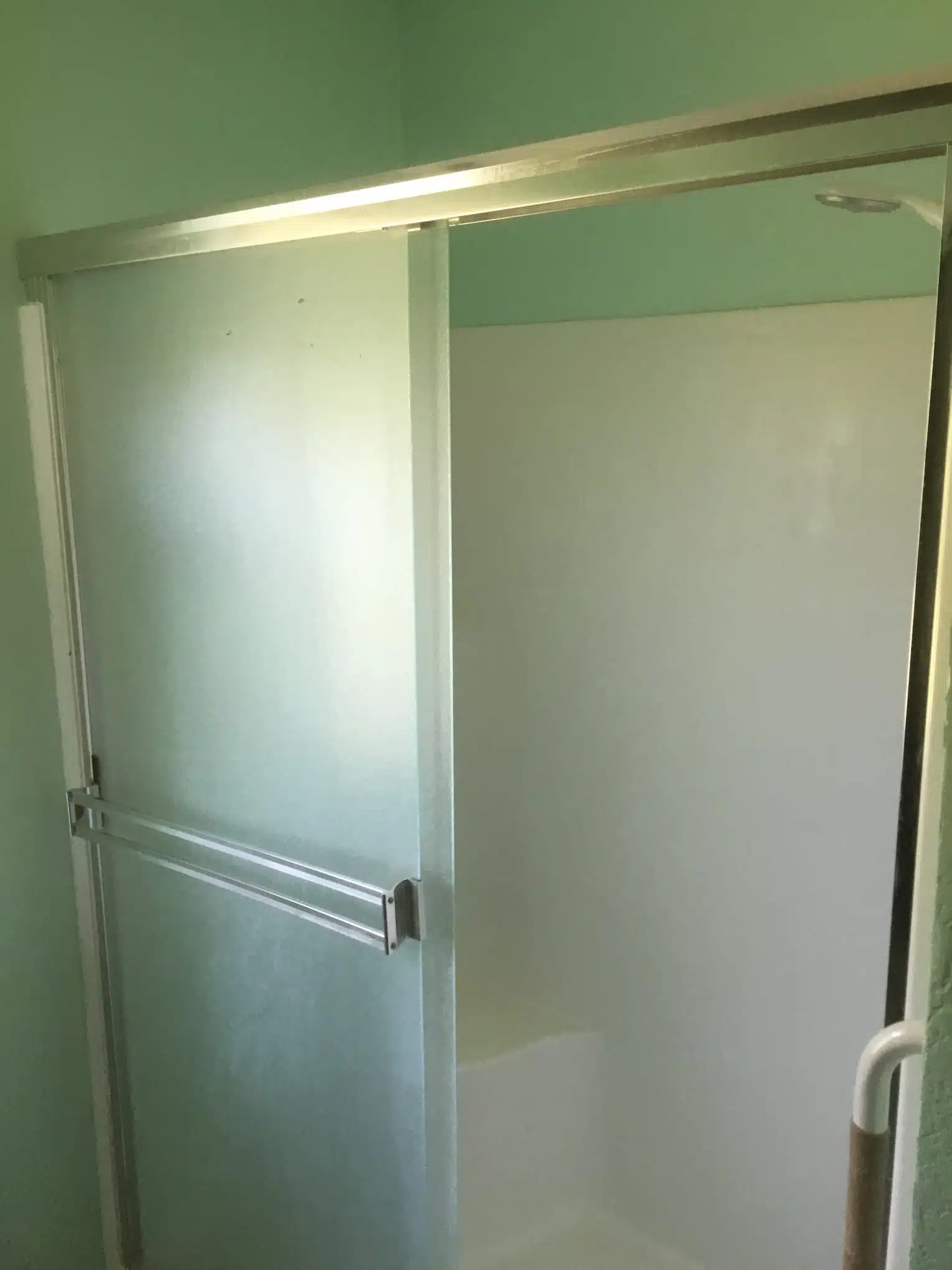
Hard water leaves clues all over the house. If these sound familiar, a softener is probably the fix.
Cloudy glasses and white film, even after the dishwasher.
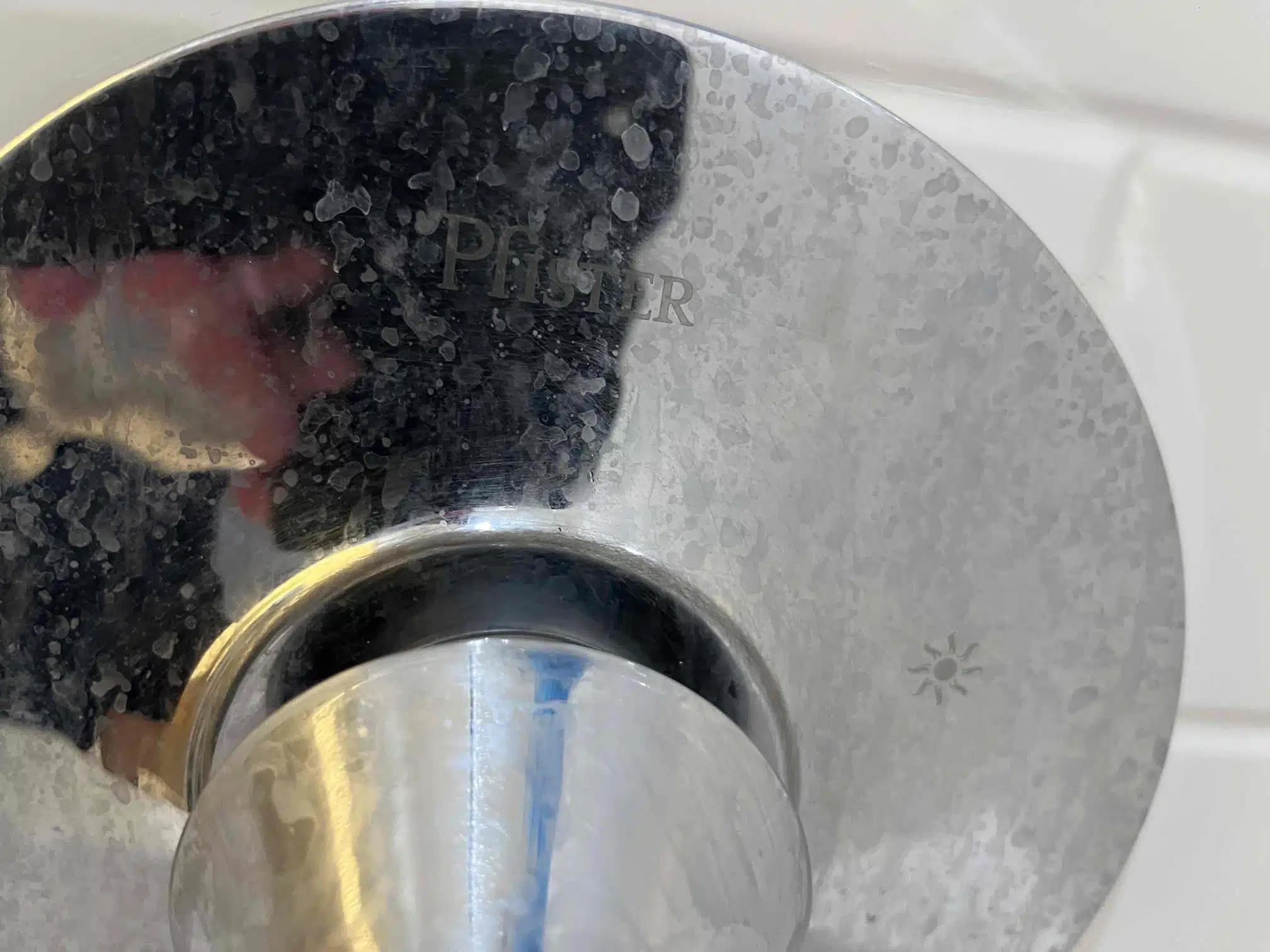
White scale on faucets, showerheads, and aerators.
A film that comes right back after you scrub it.
More soap, less suds, and scum on the tub.
Soap residue that hard water leaves behind.
Popping and rumbling from mineral sediment in the tank.
Minerals keep detergent from doing its job.
Scale in coffee makers, dishwashers, and ice makers.
The same minerals that film your shower door are building up where you can't see them: inside water heaters, tankless units, valves, toilet tanks, and appliances. Scale forms fastest when hard water is heated.
Cal Water's 2024 report lists Chico's average hardness at 122 ppm, which it classifies as moderately hard. Plenty of wells in the area are harder.
The right answer depends on what's actually in your water. Many homes end up with two of these.
Softeners are great at what they do. Here's what to know before you buy one.
They need salt. Or potassium chloride. Check the brine tank about once a month.
Sodium-restricted diet? Ask your doctor. Potassium or an RO tap for drinking water are easy options.
Regeneration uses water. Proper sizing and settings keep that to a minimum.
Soft water feels different. Some people notice a slippery feel at first. That's soap rinsing clean.
Drain and septic matter. We check where the discharge goes and any local rules before installing.
It won't make unsafe water safe. Bacteria, nitrates, or PFAS need testing and different treatment.
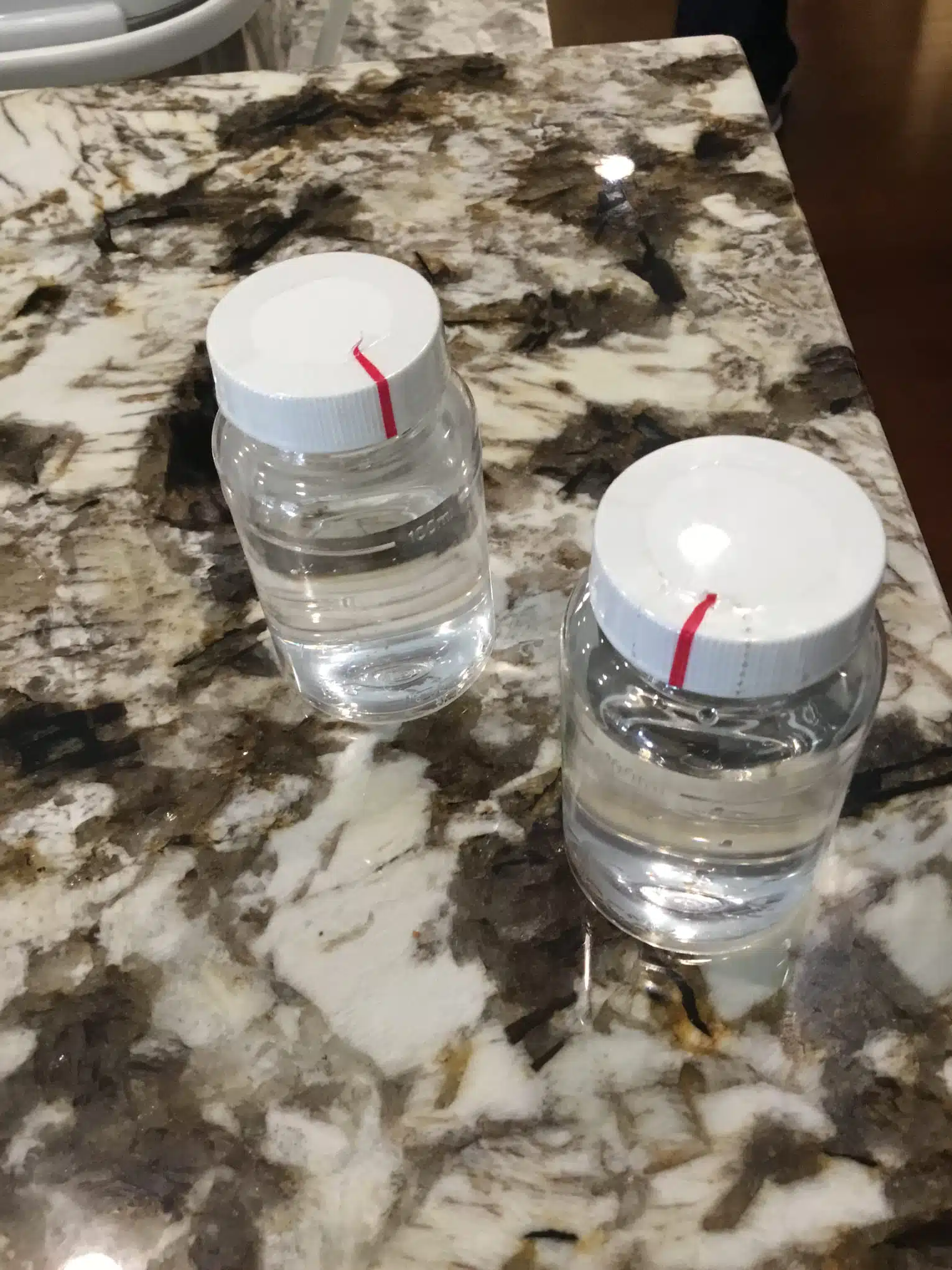
An undersized softener lets hard water through. An oversized one wastes salt and water. Here's how we get it right:
Indoors, outdoors, on their own, or paired with filtration.
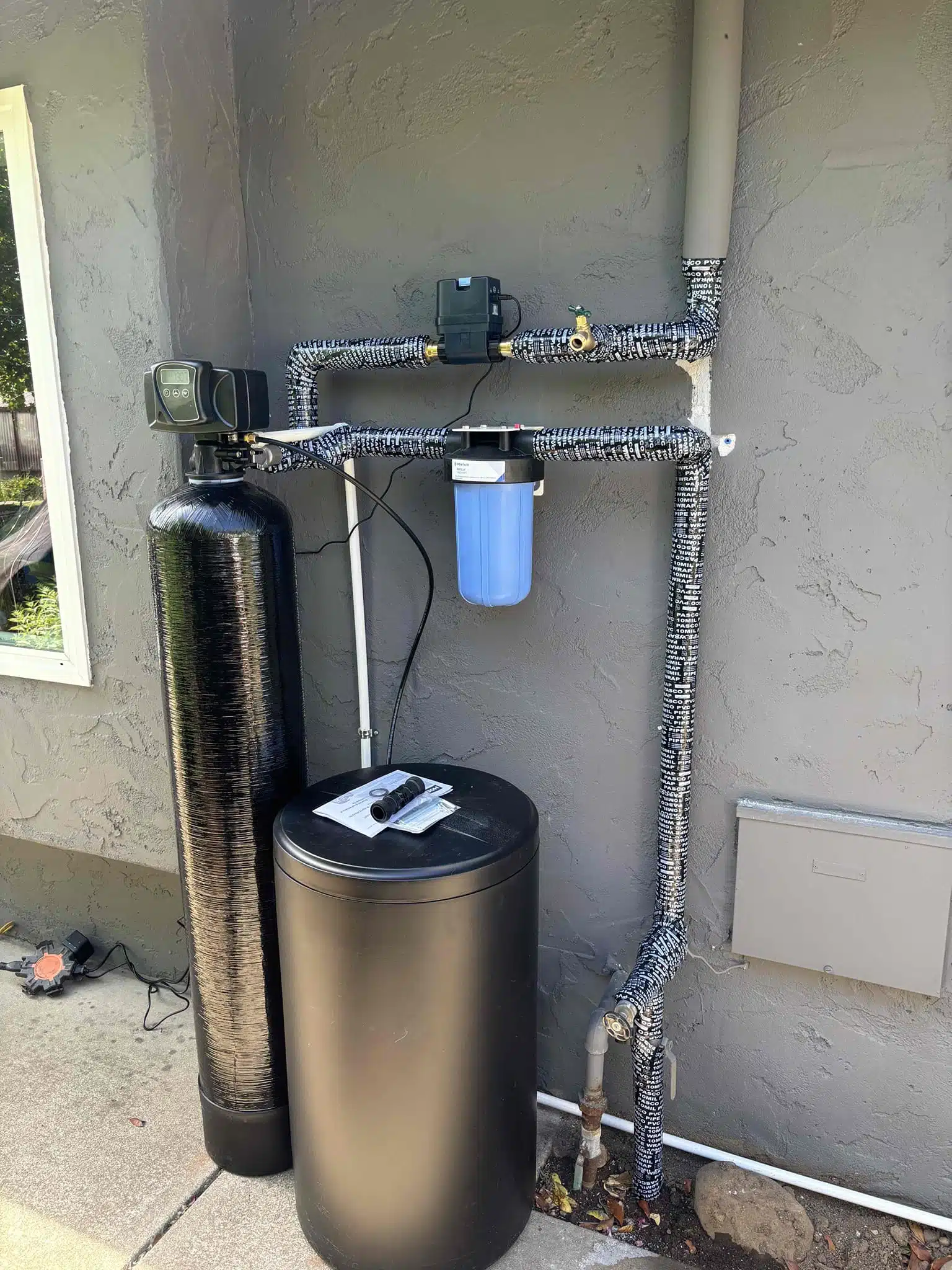
Tied in at the main with a bypass for easy service.
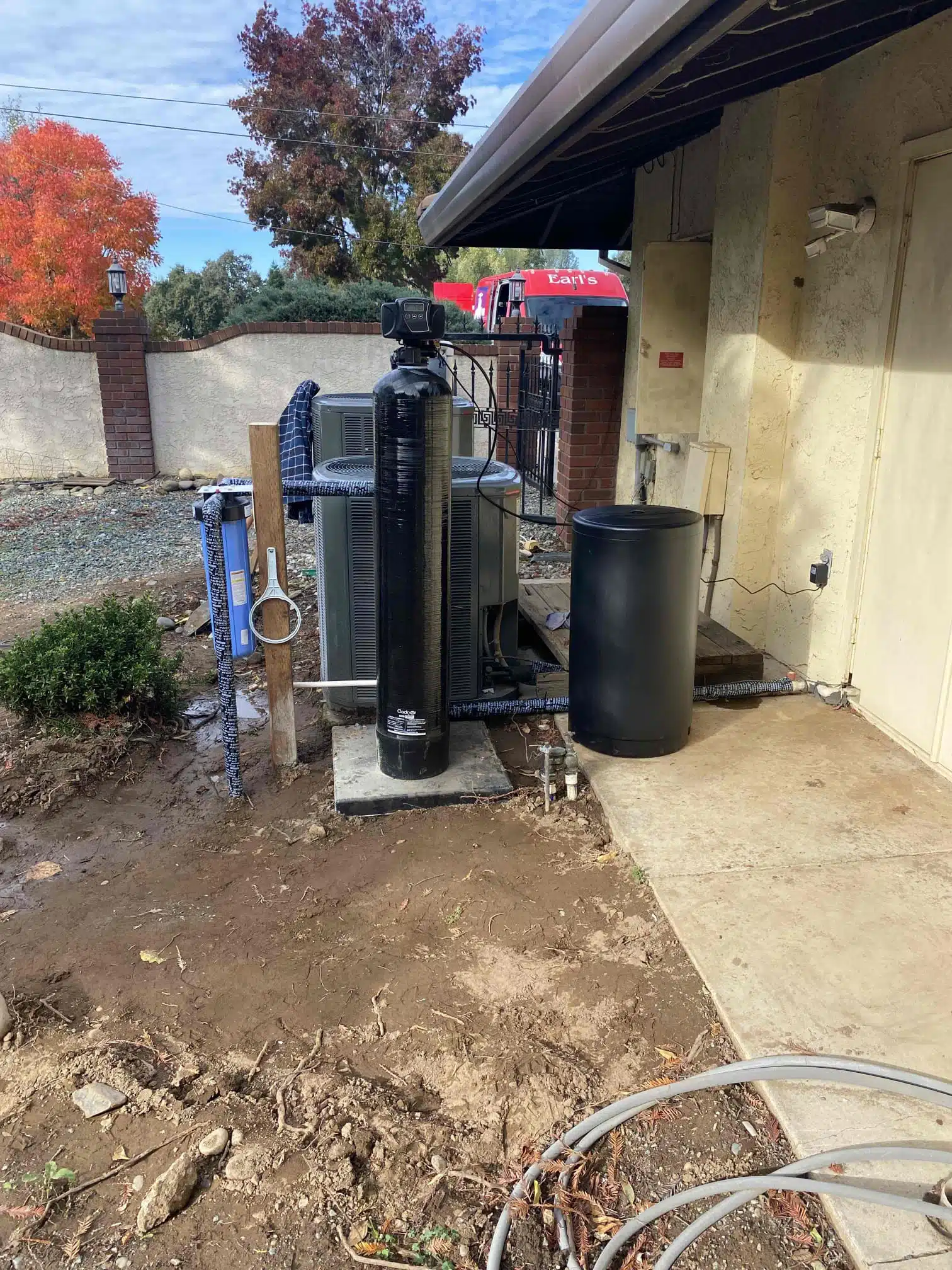
No room inside? Outdoor installs work for many homes.
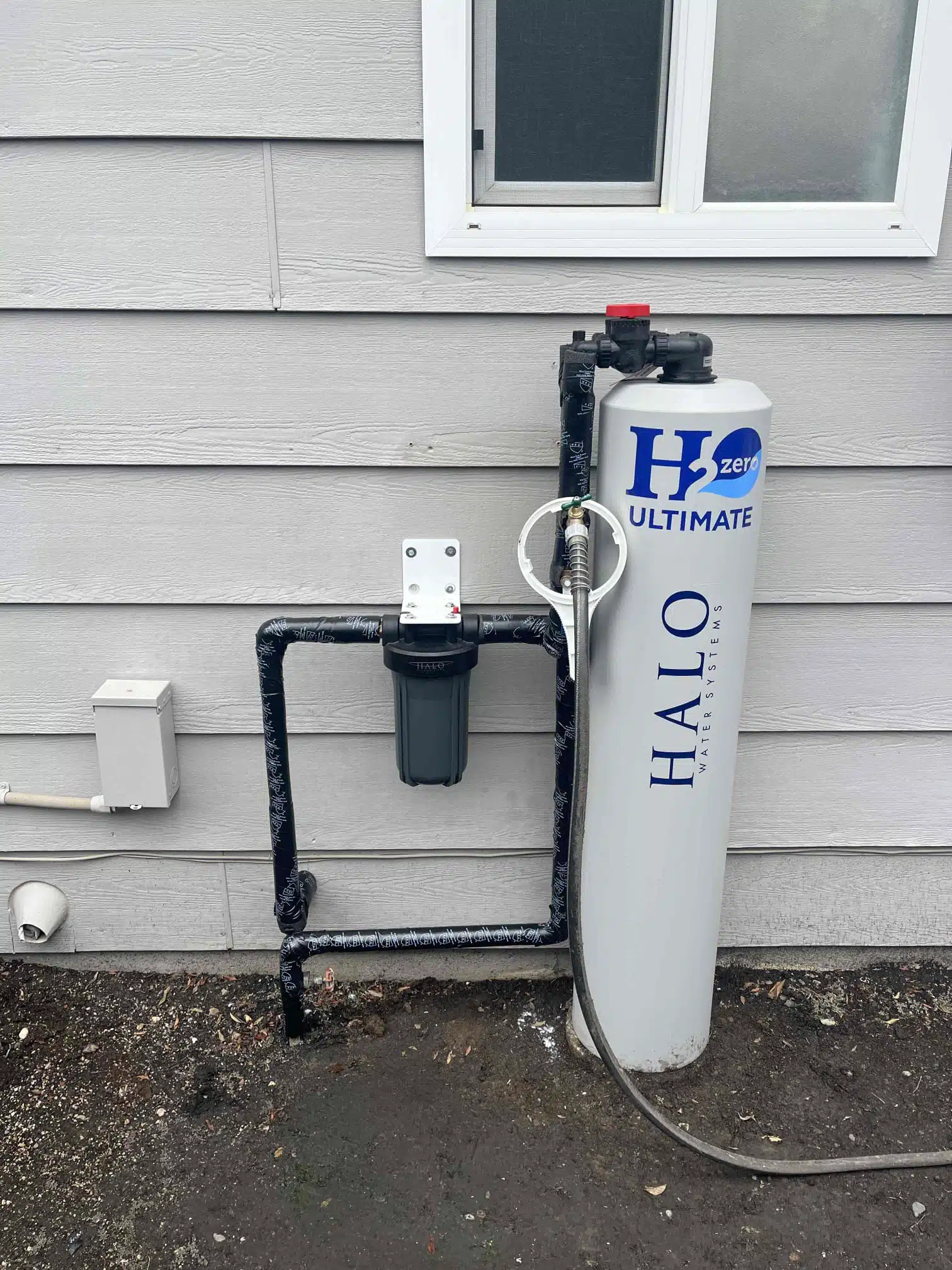
Hardness plus taste or sediment, handled in stages.
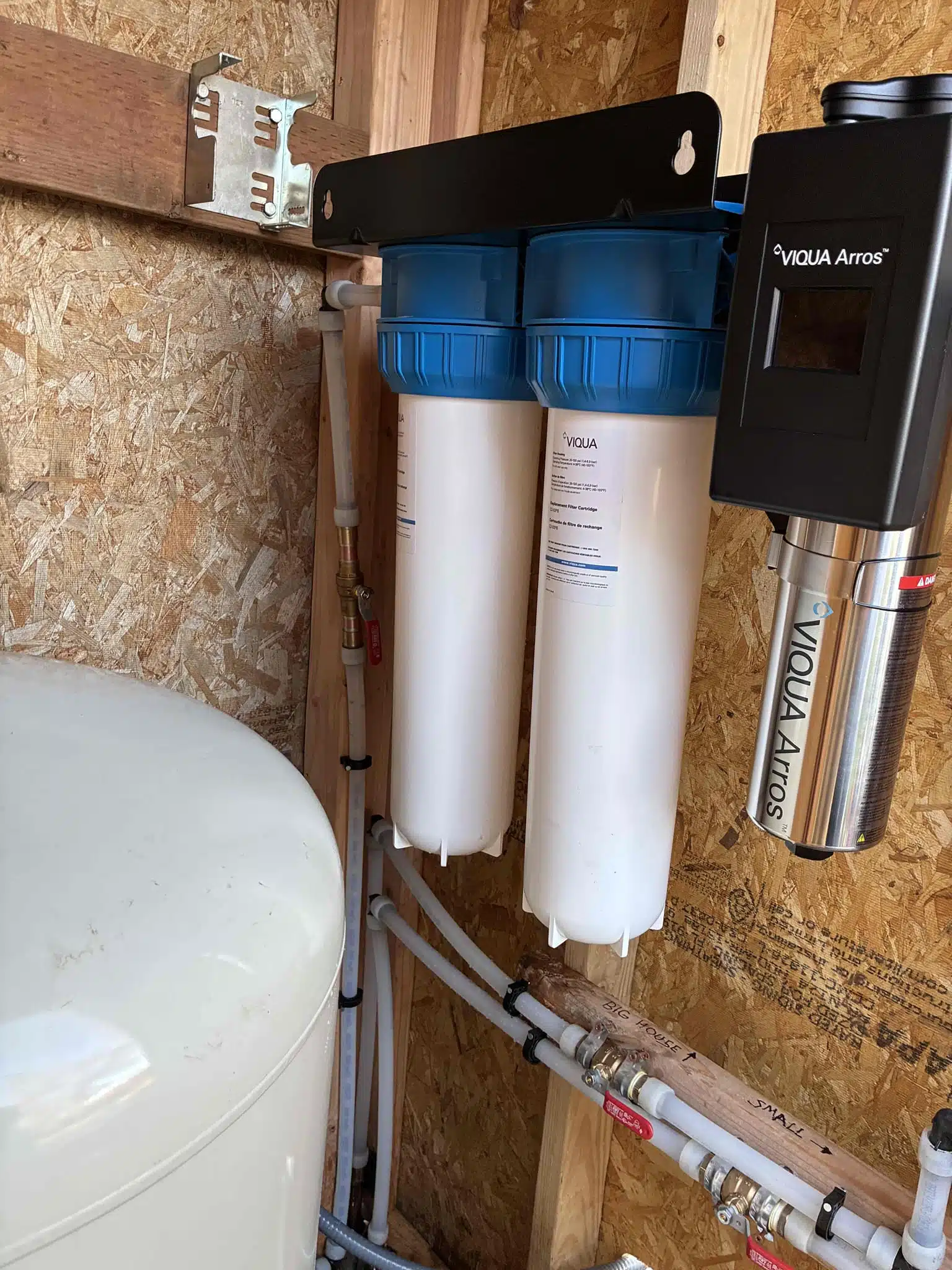
Sediment and UV first on wells that need it.
If the spots are back, the softener needs attention. We repair and service most softeners, even ones someone else installed.
Plumbers first, not a water-treatment sales team.
Real numbers from your tap, not a scary demo.
Matched to your hardness and household, not the biggest unit on the truck.
Proper bypass, drain, and connections. CSLB #772565.
One upfront price before any work. No pressure.
Financing on approved credit.
Three Northern California offices, here when it needs service.
Hard water starts as a cleaning annoyance. Spots on the glasses, film on the shower door, crust on the faucet. Then it turns into a plumbing problem, because those same minerals are building up inside your water heater and every valve in the house.
We'll test your water for free, show you the actual hardness number, and tell you straight whether a softener makes sense, what size, and whether you need anything else. No fear-based sales pitch. Just the right system, installed right.
— Clinton EarlOwner, Earl's Plumbing · Your Friend in the Business
Three local offices covering eight Northern California counties. Every line takes calls and texts.
Redding · Anderson · Cottonwood · Shasta Lake · Palo Cedro · Red Bluff · Corning
Book in about a minute. Tell us if you're on city or well water and what you're noticing.
Rather talk to a person? Call or text (530) 343-0330 — we answer 24/7.
Not sure if you need a softener, a filter, or both? Call and we'll help you decide: (530) 343-0330.
Hardness, sodium, salt, wells, and water heaters. Straight answers here.
You probably have hard water if you see white spots on dishes and shower glass, crusty buildup on faucets, soap that will not lather, or scale in your water heater. Chico city water averages about 122 ppm hardness, which Cal Water classifies as moderately hard, and many wells are harder. A free hardness test confirms it.
A water softener removes hardness minerals, mainly calcium and magnesium, that cause spots, scale, and soap problems. A water filter reduces sediment, chlorine taste, or specific contaminants, depending on the filter. A softener is not a drinking-water filter, so homes with both hardness and taste or contaminant concerns often pair a softener with filtration or RO.
A salt-based softener adds some sodium to softened water, and the amount depends on how hard the water was to begin with. If you are on a sodium-restricted diet, ask your doctor. Options include using potassium chloride instead of salt, or adding a reverse osmosis system at the kitchen sink for drinking and cooking water.
A salt-based softener removes hardness minerals through ion exchange, so it reduces spots, scale, and soap problems. A salt-free conditioner does not remove the minerals; it changes how they behave to reduce scale buildup in pipes and appliances. Conditioners need less upkeep, but they generally will not stop spots on glass the way a true softener does.
It depends on your hardness, household size, and water use. A good habit is to check the brine tank about once a month and keep it from running low. Also watch for salt bridging, a hard crust that looks full on top but leaves an empty space underneath, so the softener cannot make brine and hard water returns.
Yes, but well water should be tested first. Wells can have sediment, iron, sulfur, low pH, or bacteria along with hardness, and those can damage a softener or need different treatment. The usual setup is a sediment filter first, then the softener, then additional treatment like UV or RO only if testing shows it is needed.
Yes. Hard water forms scale faster when it is heated, which builds up as sediment in tank water heaters and inside the heat exchanger of tankless units. Softened water reduces that scale, which can help efficiency, cut down on popping and rumbling, and stretch the time between tankless descaling visits.
It depends on your hardness, household size, water source, and where the softener goes. That's why we start with a free hard water test. We'll show you the numbers, size the system right, and give you one upfront price with no service call fee. Financing is available on approved credit.