A spot repair usually works when…
- The damage is in one section, joint, or fitting
- Roots are getting in at one spot
- The rest of the line still has good slope and structure
- A cleanout is broken, buried, or missing

Earl's Plumbing finds the broken, root-filled, or separated section of your sewer line with a camera, shows you the footage, and fixes just what's failing — so you don't pay to replace pipe that's still good.
Call or text (530) 343-0330 — a real person answers calls day or night.
Mention this page when you call or text, or add "$25 web offer" when you book online. Financing available on approved credit.
📞 Claim by Phone 📅 Claim OnlineOne slow sink is a drain problem. When the whole house starts acting up, it's usually the sewer line.
Main line clogs that keep coming back after cleaning
Several drains slow or gurgling at the same time
Soggy, sunken, or extra-green spots over the sewer path
Sewage backing up into tubs, showers, or floor drains
Sewage smell inside the house or in the yard
A camera inspection already showed a break, roots, or an offset
Already got a big quote from someone else? Call or text — we'll run our own camera and give you a straight answer.
The honest answer depends on the pipe. We'll show you the camera footage so you can see it for yourself.
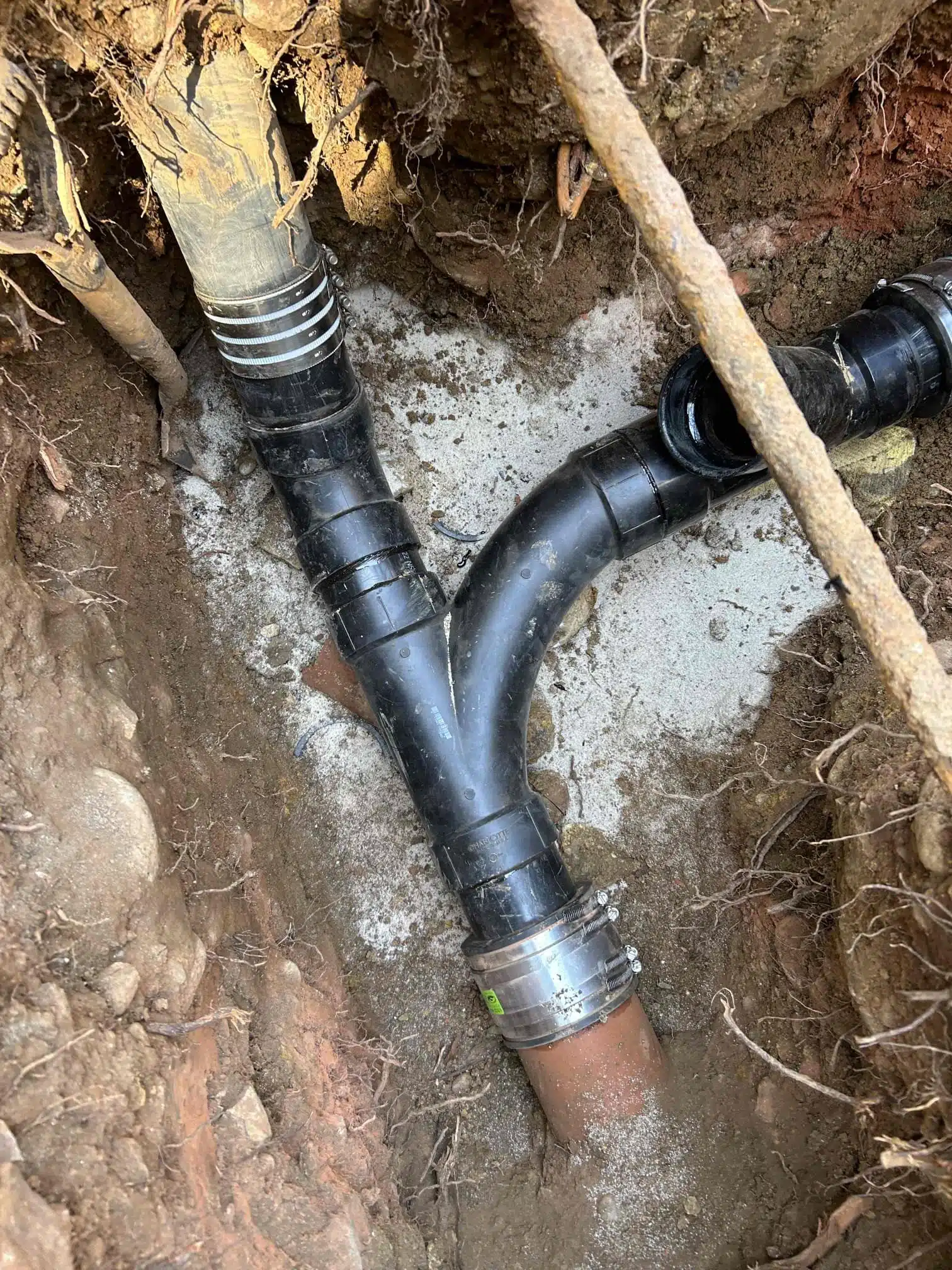
Real repairs by Earl's Plumbing crews. Dig where the problem is, fix it right, and make the next service call easier.
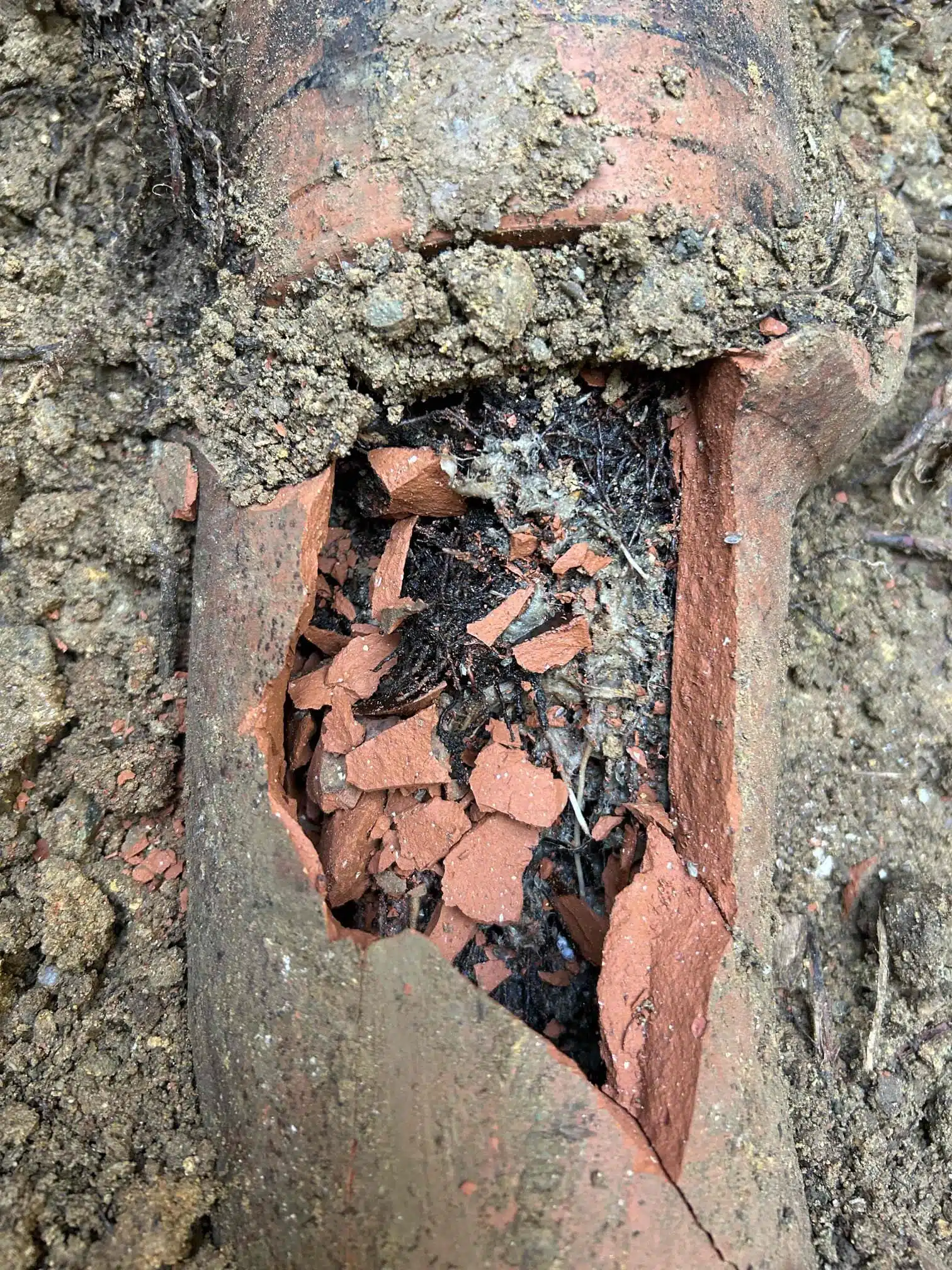
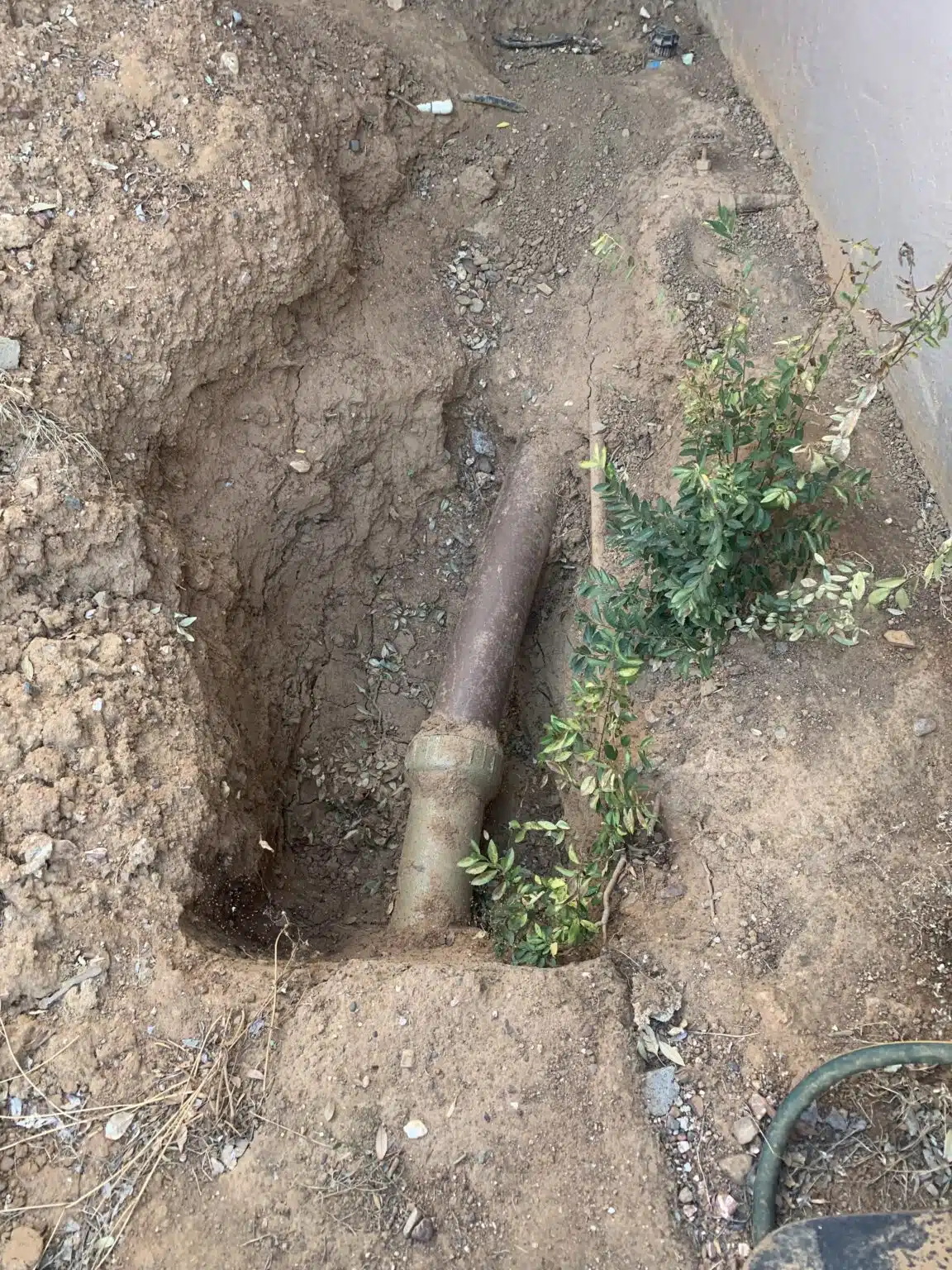
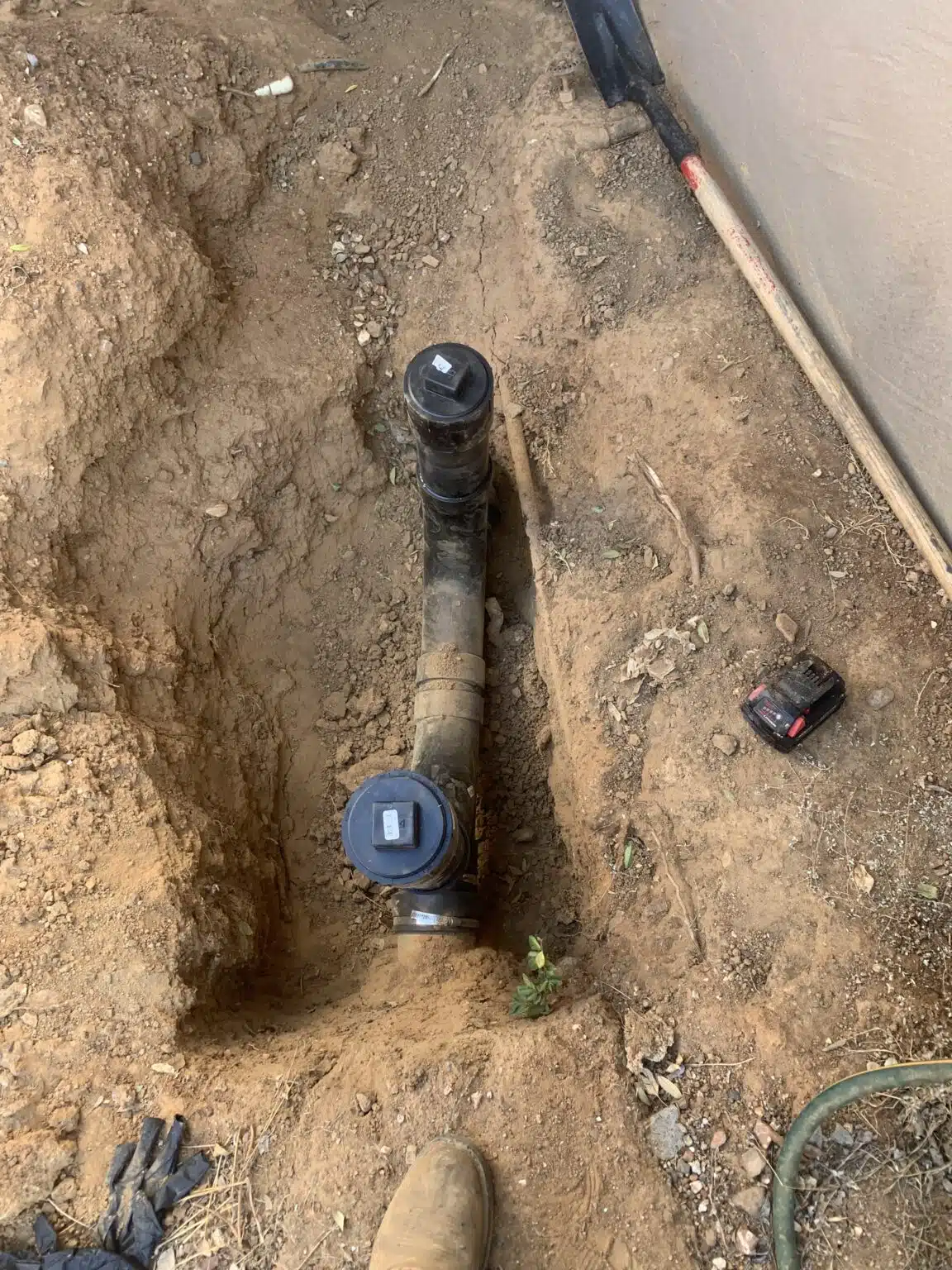
A sewer line is a big decision. You deserve to see the problem before you pay to fix it.
We run a sewer camera and walk you through what's on the screen. No "trust me."
We locate the damage from the surface first, so the hole in your yard is as small as it can be.
If fixing one section solves it, that's what we'll recommend. We won't sell you a whole new line you don't need.
No service call fee. Firm price before we start. Monthly payments available on approved credit.
We repair lines on both, and we'll check whether the problem is the line, the tank, or the drain field.
If it's not right, we come back and make it right. 28 years and three local offices behind that promise.
Diagnosis, a straight answer, then a clean repair. Glamorous? No. Important? Absolutely.
We run a camera through the line and mark exactly where the damage is and how deep.
You see the footage, hear whether repair or replacement makes sense, and get a free, firm quote.
We expose just the damaged section, replace it with proper fittings and slope, and test the flow.
Where access is poor, we add a two-way cleanout, then backfill and clean up the work area.
I'll be honest with you — Northern California is rough on sewer lines. A lot of homes around here still have the original clay or cast iron pipe, and valley oaks and cottonwoods treat every cracked joint like an open invitation. Add some ground movement and a few decades, and pipes separate, sag, and fill with roots.
Here's the good news: a lot of the time, it's one bad section, not the whole line. I've seen homeowners quoted for a full replacement when a camera showed a single root-packed joint. So before anybody tears up your yard, we look first, show you, and fix only what needs fixing. (And if the whole line really is shot, we'll tell you that straight, too.)
— Clinton EarlOwner, Earl's Plumbing · Your Friend in the Business
Three local offices covering eight Northern California counties. Every line takes calls and texts.
Redding · Anderson · Cottonwood · Shasta Lake · Palo Cedro · Red Bluff · Corning
Book in about a minute, right here on the page. Mention "$25 web offer" in your notes and we'll apply it.
Rather talk to a person? Call or text (530) 343-0330 — we answer 24/7.
Sewage backing up? Don't wait for the scheduler — call (530) 343-0330 and we'll prioritize you.
Straight answers for homeowners deciding between cleaning, repair, and replacement.
Earl's Plumbing gives a free, upfront quote before any sewer line repair begins. Cost depends on how deep the pipe is, where the damage sits, the pipe material, and how much digging and yard restoration the job needs. You approve the price first. There is no service call fee, and financing is available on approved credit. Call or text (530) 343-0330.
A spot repair is usually enough when the damage is limited to one broken section, joint, or fitting and the rest of the pipe is sound. Replacement makes more sense when the line is collapsed, cracked or offset in several places, full of roots, or keeps backing up after cleaning. Earl's Plumbing shows you the camera footage so you can see which one you need.
Most sewer line repairs require digging to expose and replace the damaged section of pipe. Earl's Plumbing keeps the dig as small as possible by finding the exact problem spot with a sewer camera and line locating equipment before excavating. The size of the dig depends on how deep the line is, what is above it, and how long the damaged section is.
A sewer camera inspection is the best way to know whether a spot repair is enough. The camera shows breaks, offsets, roots, sags, and crushed pipe along the whole line, not just at the clog. If the rest of the line looks healthy, a spot repair makes sense. If problems show up in several places, replacement is usually the better value.
Roots can be stopped for good when they are entering through one damaged section or joint, because replacing that section removes the opening they grow through. If roots are coming in through many joints along an old clay or cast iron line, a spot repair only fixes part of the problem, and replacement is usually the better long-term choice.
Earl's Plumbing repairs sewer lines on homes connected to city sewer and to septic systems. On septic properties, backups and odors can come from the line, the tank, or the drain field, so we inspect first to find which part is failing before recommending a repair. That way you are not paying to fix the wrong piece of the system.
Earl's Plumbing charges no service call fee, ever. I've never liked that practice — you shouldn't have to pay just to find out what something costs, especially on a job as big as a sewer line. We come out, find the problem, show you, and give you a free quote. If you say no, you owe nothing.
Earl's Plumbing offers same-day service when a technician is available, and calls are answered 24 hours a day, 7 days a week. Every office line also takes texts: Chico (530) 343-0330, Redding (530) 244-3275, or Yuba City (530) 674-0330. Sewage backing up into the house is treated as an emergency, so call rather than book online.